


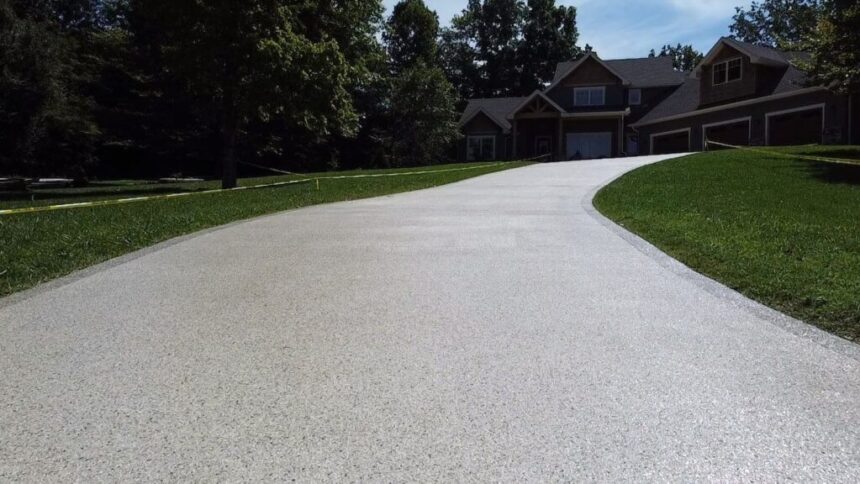
Living near the Gulf is great until your concrete starts showing pits, cracks, or weird white stains from salt spray. Anyone who has lived in Galveston long enough has seen what salt soaked wind and heavy humidity can do to exposed surfaces. When homeowners look for local driveway services Galveston TX, they usually want something that holds up longer than their last install. A well built concrete driveway can take the beating, but only if it is designed for coastal punishment.
How Salt Damages Concrete Over Time
Moisture and Chloride Build Up
Salt does not just sit on the surface. It soaks in with moisture and reaches the embedded steel reinforcement. When chloride touches steel, corrosion starts fast. Once that happens, the steel expands and the concrete around it begins to pop and flake off.
Surface Wear from Repeated Wet Dry Cycles
Concrete in coastal regions faces constant cycles of wetting and drying. Salt crystals form inside the pores and expand. That expansion causes cracking. Even small cracks allow more water inside, turning the problem into a repeating cycle. Homeowners often say their driveway looked fine one year and rough the next. That is usually the salt working its way through.
Materials That Make a Driveway Salt Resistant
High Quality Cement Blends
Not all concrete mixes are equal. Coastal ready mixes often include reduced water content and supplementary cement materials that make the slab denser. A dense slab resists salt and moisture far better than a standard mix.
Reinforcement That Prevents Early Failure
Galveston driveways need reinforcement that can handle chloride exposure. Some contractors use epoxy coated rebar or heavy gauge wire mats to cut down corrosion risk. I have seen poorly reinforced driveways fail in five years or less, while well reinforced ones lasted decades.
Sealers Built for Harsh Weather
A breathable sealer helps limit surface absorption while allowing trapped moisture to escape. Homeowners who skip sealing often regret it when they see the first tiny pits appear. A good sealer usually lasts one to three years depending on traffic.
Design Choices That Improve Durability
Proper Slope and Drainage
Water sitting on top of concrete will always find a way to cause trouble. Professional driveway contractors in Galveston measure slope carefully so water moves off the surface instead of pooling. Small details like this often determine whether a driveway lasts fifteen years or thirty.
Control Joints Placed Correctly
Concrete wants to crack. The trick is guiding where it cracks. Precise joint spacing gives the slab room to expand and contract without making random fractures. I have watched neighbors try shortcuts by sawing their own joints. They ended up with jagged lines that looked like lightning strikes.
Adequate Curing Time
Everyone is impatient when a new driveway goes in, but rushing curing weakens the slab. Letting the concrete dry slowly and evenly increases density and reduces shrinkage cracks. When homeowners follow curing recommendations, the long term payoff is real.
Maintenance Habits That Keep the Driveway Strong
Regular Cleaning
Salt crystals build up fast near the coast. A simple rinse every couple of weeks during peak salt season keeps the surface from absorbing unnecessary chloride. It takes minutes but saves money down the road.
Resealing at the Right Intervals
If water stops beading up, the sealer is worn out. Waiting too long allows moisture to creep in. Most homeowners schedule resealing every year or two. It is affordable and avoids far pricier concrete driveway repairs.
Quick Response to Early Damage
A tiny crack may not look serious, but small cracks are exactly how salt sneaks in. Filling them early avoids internal deterioration. I have patched spots in my own driveway after storms, and those quick fixes kept the rest of the slab in good shape.
Choosing the Best Local Pros for Coastal Conditions
Look for Contractors With Coastal Experience
Driveways in inland Texas face different challenges. You want someone who understands humidity driven expansion, salt exposure, and the quirks of Gulf weather. Search for teams who specifically mention salt resistant work or coastal reinforced concrete.
Ask About Mix Design and Reinforcement
Any contractor offering local driveway services Galveston TX should explain the mix they plan to use. If they cannot detail water ratios, additives, and reinforcement types, they are guessing. Guessing and concrete do not mix well.
Review Past Coastal Projects
A solid driveway pro should be able to show examples of jobs located close to the shoreline. Pay attention to how their older installs have held up. If they look clean and stable, that contractor likely understands the local environment.
FAQs
What makes a concrete driveway fail faster near the coast?
Salt, humidity, and standing water speed up corrosion and surface breakdown. That is why people search for coastal experienced driveway contractors in Galveston.
How often should a concrete driveway be sealed in Galveston TX?
Most homeowners reseal every one to two years depending on traffic and exposure.
Can old concrete driveways be upgraded to be more salt resistant?
Yes. Cleaning, crack repair, and application of a high grade sealer can improve resistance. For severe damage, resurfacing may be needed.
What is the best type of concrete mix for coastal driveways?
A dense, low water mix with supplementary cement materials and proper reinforcement offers the best protection.
Do all local driveway services Galveston TX include salt resistant options?
Not always. You must ask for a mix designed for coastal environments, since standard installs may not hold up long.
Conclusion
Salt, humidity, and constant weather shifts make Galveston a tough place for concrete surfaces, but the right materials and maintenance practices can dramatically extend driveway life. Homeowners who rely on skilled pros for local driveway services Galveston TX get stronger, longer lasting results. For work built specifically for coastal conditions, reach out to Mouton Concrete Services Group.