

Global Jewelry Market Size and Growth Overview
The market which touched USD 342.66 billion in 2025 is projected to reach about USD 542 billion within 10 years. A combination of evolving consumption trends from wedding purchases to seasonal and festive occasions to online channels as well as personal purchase for daily adornment has led this upward journey, said, “It’s not just about festive occasions anymore; jewellery has permeated the personal fashion realm”.
What’s Driving Jewelry Market Growth?
Rising Disposable Incomes
Disposable incomes in emerging economies are growing, and so are consumer expenses on luxury and fashion goods, including jewelry. People are more inclined to pay higher prices for quality jewelry products as they desire long term value, high designs.
Gifting Culture and Weddings
Purchases around life events, like weddings, engagements, anniversaries and festivals still make them major spending occasions. A large number of cultural traditions also use jewellery as a indicator of standing, tradition and emotional steps.
Jewelry as an Investment
People now also see the buying and selling of diamond and gold items with jewelry not just as ornaments for the sake of the same, but also the purchase of items to safeguard it from the ravages of inflation; a way of holding assets over an extended time span; which supports demand as such even in the face of an economic recession or uncertainty.
Gold, Diamond, and Silver: Which Material Leads?
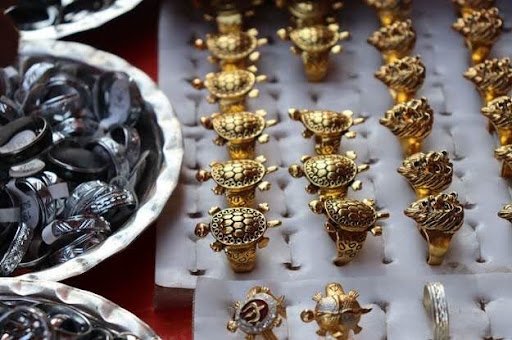
Gold has always emerged as the favorite and most precious of all materials – because of its history, strong performance through time and excellent resale value, it’s still the go to choice for the average person to wear daily and to pass on to the next generation of your family. Diamond is a preference for the luxury or Bridal jewelry categories where value or exclusivity is extremely high. Silver however is a favorite in the fashion jewelry space while platinum offers a choice for those with skin allergies because of it hypoallergenic nature.
The Rise of Branded Jewelry
There’s also been a clear evolution of branded versus non-branded in the jewellery sector, with a strong shift towards the formerly. Customers need guarantees around purity of material and labour, as well as quality craftsmanship – something credible brands are able to offer via certification, traceable practices and a name. The brands have, not surprisingly, seen this trend and are aiming to scale further rapidly, as smaller, local or family-run jewellers try their best to catch up by raising their own quality bar.
E-Commerce and Digital Transformation
Buying a jewelry store online vs in a physical store. Traditionally shopping for jewelry was about being in-store and experiencing the items on display but the shopping paradigm for buying these valuable goods is swiftly changing. Online sale is the most rapidly growing section for jewelry and an important growth pillar because of virtual try – outs, the clarity in details with certificates to go along, as well as the more liberal deliveries and returning the products. The large players on jewelry markets now investing heavily in omni-channels strategy that leverage the credibility associated with walk– in to ensure they retain market share, especially among consumers that born late or will surely adopt buying high– worth product over virtual interfaces and through the ease of buying online.
Regional Insights: Asia Pacific Leads the Market
Share of Geography The largest market by value is Asia Pacific, with a strong intrinsic desire for gold and diamond jewellery and wedding market support. With Indian and Chinese demand for gold, the regions are a key indicator for global demand for gold through its seasonal and wedding related purchases. North America, Europe and is also in great demand for diamond jewellery in the jewellery and fine jewelry market whereas, Middle Eastern and Latin America region is expected to witness rapid growth in coming few years.
Emerging Trends Shaping the Future
- The demand is catching on with eco-aware buyers opting for sustainable, lab-grown alternatives instead.
- The adoption of gender-fluid and unisex design approaches is broadening its consumer base outside of previously established groups.
- However, Personalization and customization (especially when it comes to bride’s jewelry) is changing a lot how the business works and can become a major advantage factor for jewelry designers.
- Smart fashion, often fashion technology or IoT fashion, can fall into a wide array of categories. One specific, yet booming subsect of fashion tech, however, lies within a rather miniscule realm.
- Now more than ever is the time for men’s jewelry, the segment has been and continues to be ignored.
Challenges Facing the Jewelry Industry
Yet even with this huge potential, there are practical barriers to overcome. Price volatility of precious metals and gold directly affect saleable price and retail profit margin. And consumer wariness about authenticity and counterfeiting is pushing customers to brands they trust and the known certifiable standard. Finally, there are supply chain problems due to the growing importance of ethical sourced gems and metals, which in turn means the expense of greater regulation and transparency on this aspect.
Future Outlook: What to Expect by 2035
Expected to grow with a CAGR of 4.70% until 2035, the industry will steadily grow throughout. The market drivers will reflect enduring market leadership from gold in conventional markets, increased uptake of lab-grown diamond in luxury jewelry, enhanced e-commerce access and incremental demand for branded, certified jewelry. Companies offering digitally enabled experience that focuses on sustainability and personalization will have most of the future growth in the market.
Conclusion
The jewelry sector will continue moving from traditionality towards innovation, digital influence, sustainability and self-identification. The gold necklaces chosen to be worn for weddings, or the online purchased rings with lab grown diamonds, symbolize the combination of traditions and contemporary identity. The industry is expected to keep growing at least until 2035.
Frequently Asked Questions (FAQs)
1. What is the current size of the global jewelry market?
Global jewelry market was worth USD 342.66 million in 2025 and will grow 4.70% till 2035 and will be approximately USD 542.41 million.
2. Which material dominates the jewelry market?
Gold owns the biggest market in jewelry, owing to it being steeped in culture, being very hard and long lasting, along with strong value for it as an investment. As for this jewelry, it remains the people’s favorite for use as their everyday jewelry and family treasure-owned piece.
3. Which region leads the global jewelry market?
As North Asia has, this also follows Asian trends with global jewelry market leadership attributed to strong culture for gold and diamond in major nations such as India and China. Asia Pacific dominates global jewelry sales ahead of North America and Europe.
4. Why is branded jewelry gaining popularity?
Unbranded jewellery’s share to branded jewellery is decreasing now since most of the time consumers rely more on brand for authenticity, purity guarantee certification and assurance in the quality, that most established brands can guarantee the consumers well
5. What trends will shape the jewelry market’s future?
The emerging trends involve increased use of sustainable/lab-grown diamonds, e-commerce penetration increase, genderfluid designs in jewelry, personalization in jewelry and increase in acceptance of jewelry among consumers/ men in particular.